Music and Migration
Preserving the City's Musical Heritage
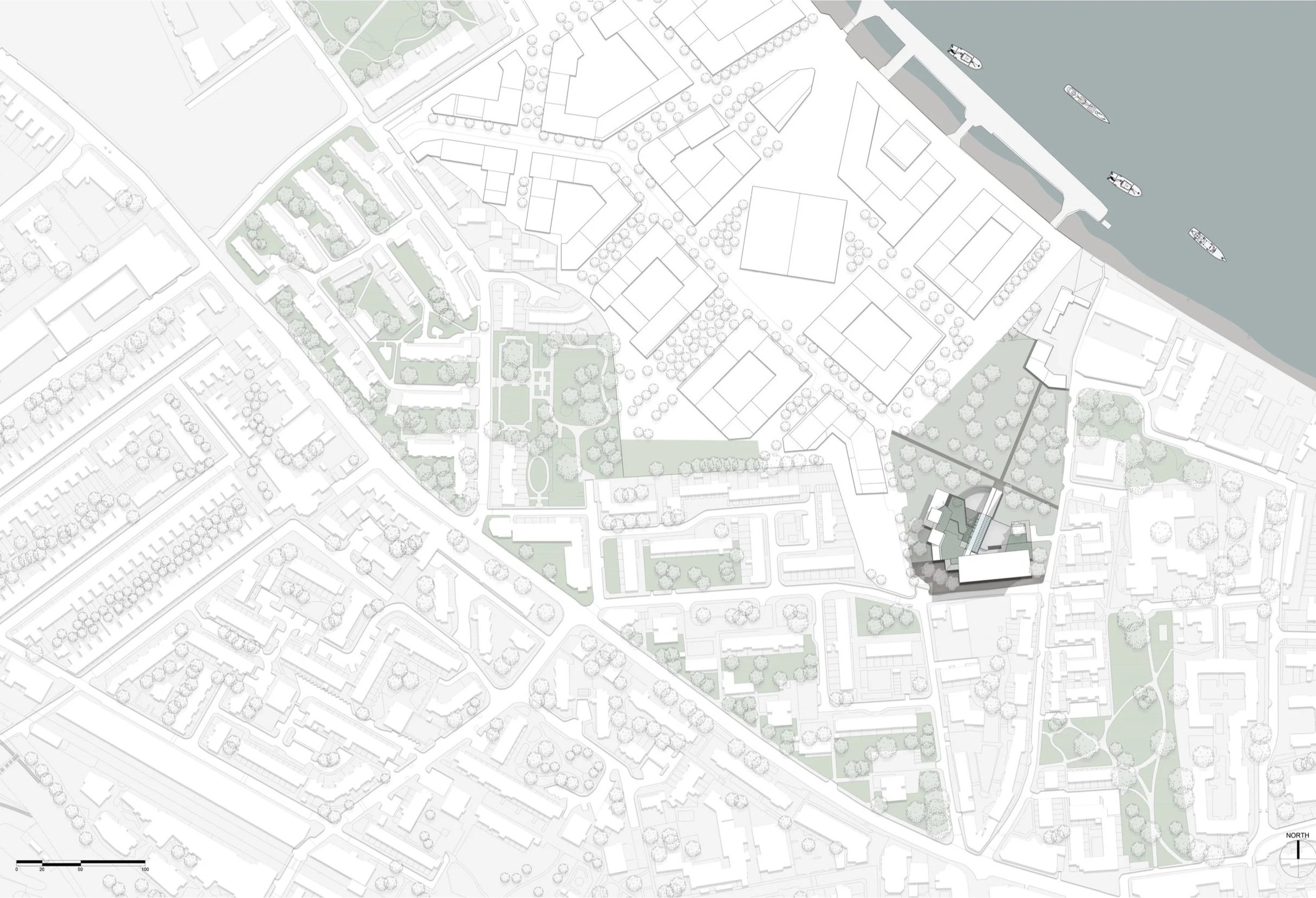
Location: Deptford, London, UK
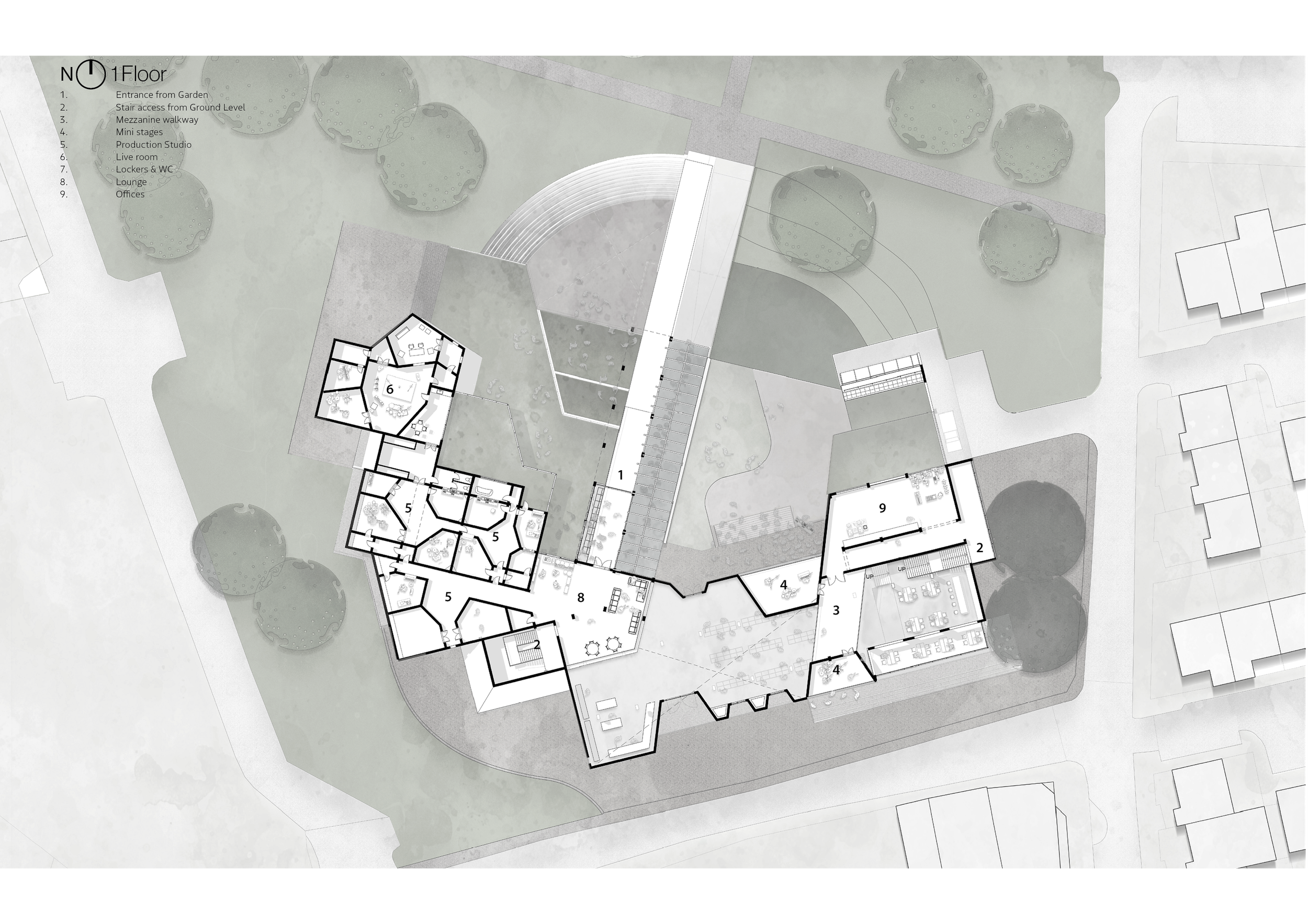
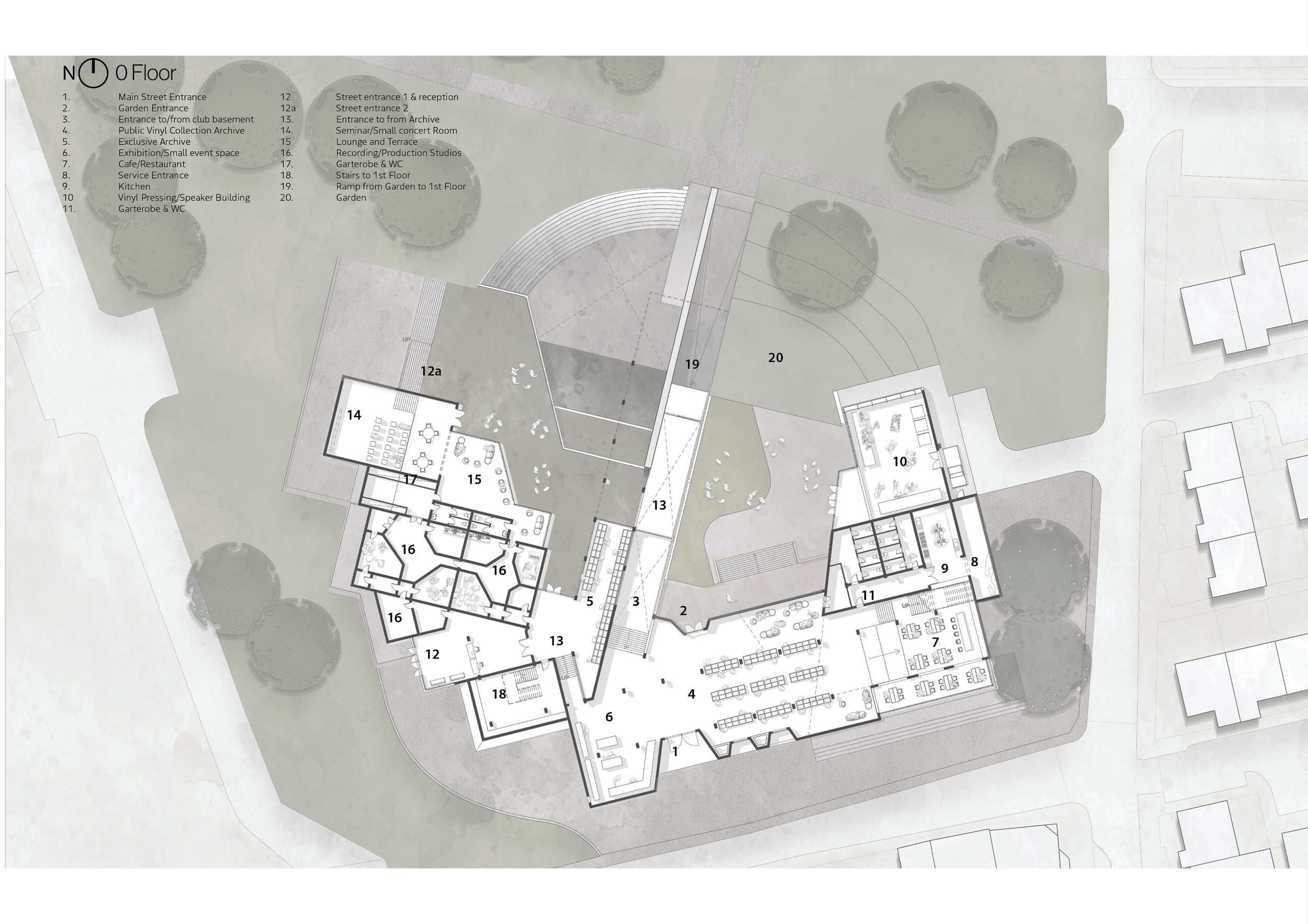
Program: Archive, Studios, Event Venue
Type: Individual design project ( 15 weeks)
Level: Architecture Design Crossovers Studio: City of Flows MSC Architecture, Urbanism, and Building Sciences, TU Delft
Supervisor: Cecile Calis, Florian Eckhardt
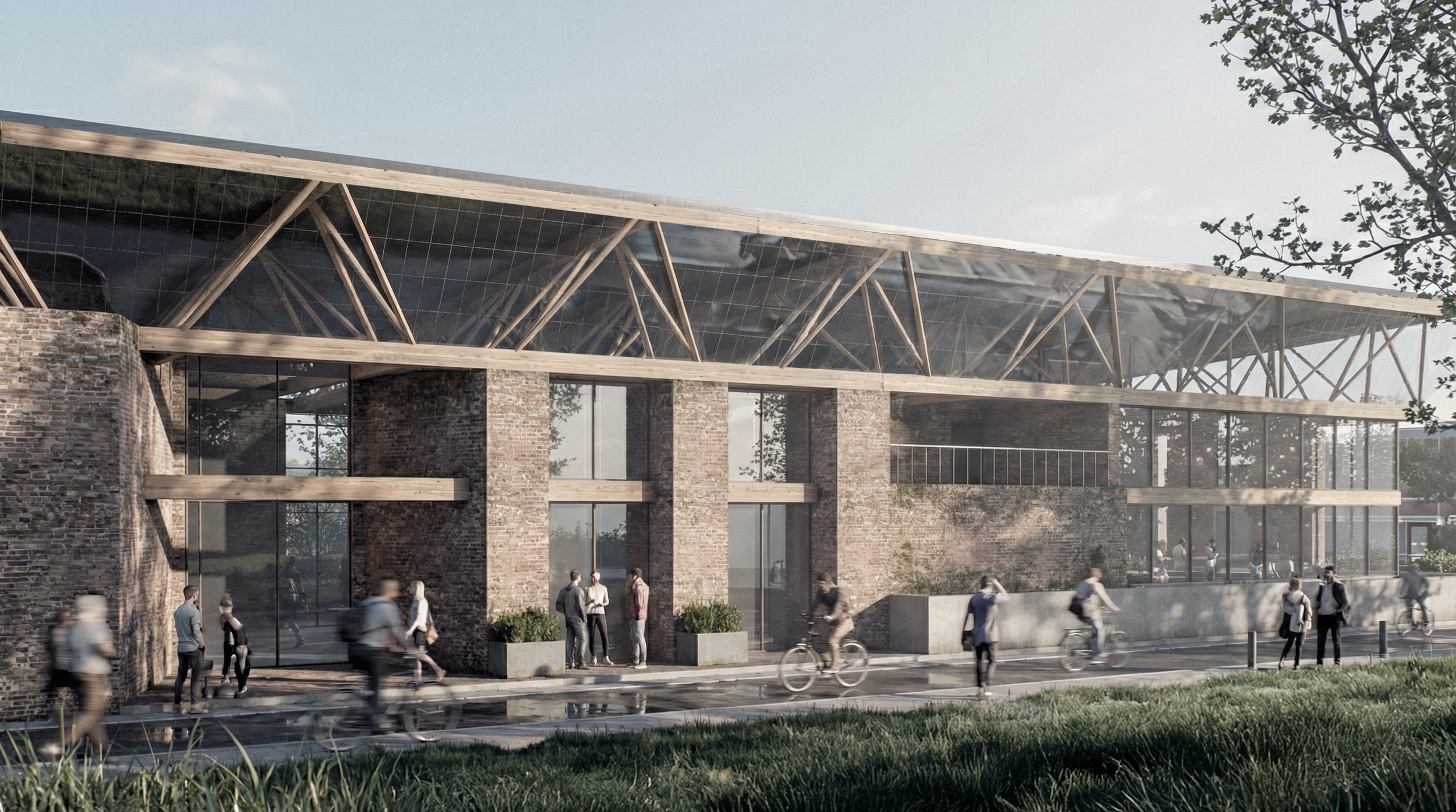
The Archive of Sound establishes cultural infrastructure for London's sound system heritage, rooted in the Windrush generation's arrival and the city's longer history of maritime exchange. Positioned within the City of Flows framework, the project treats London as a site of intersecting currents - where cultural forms, identities, and sonic practices have always moved across water and borders.
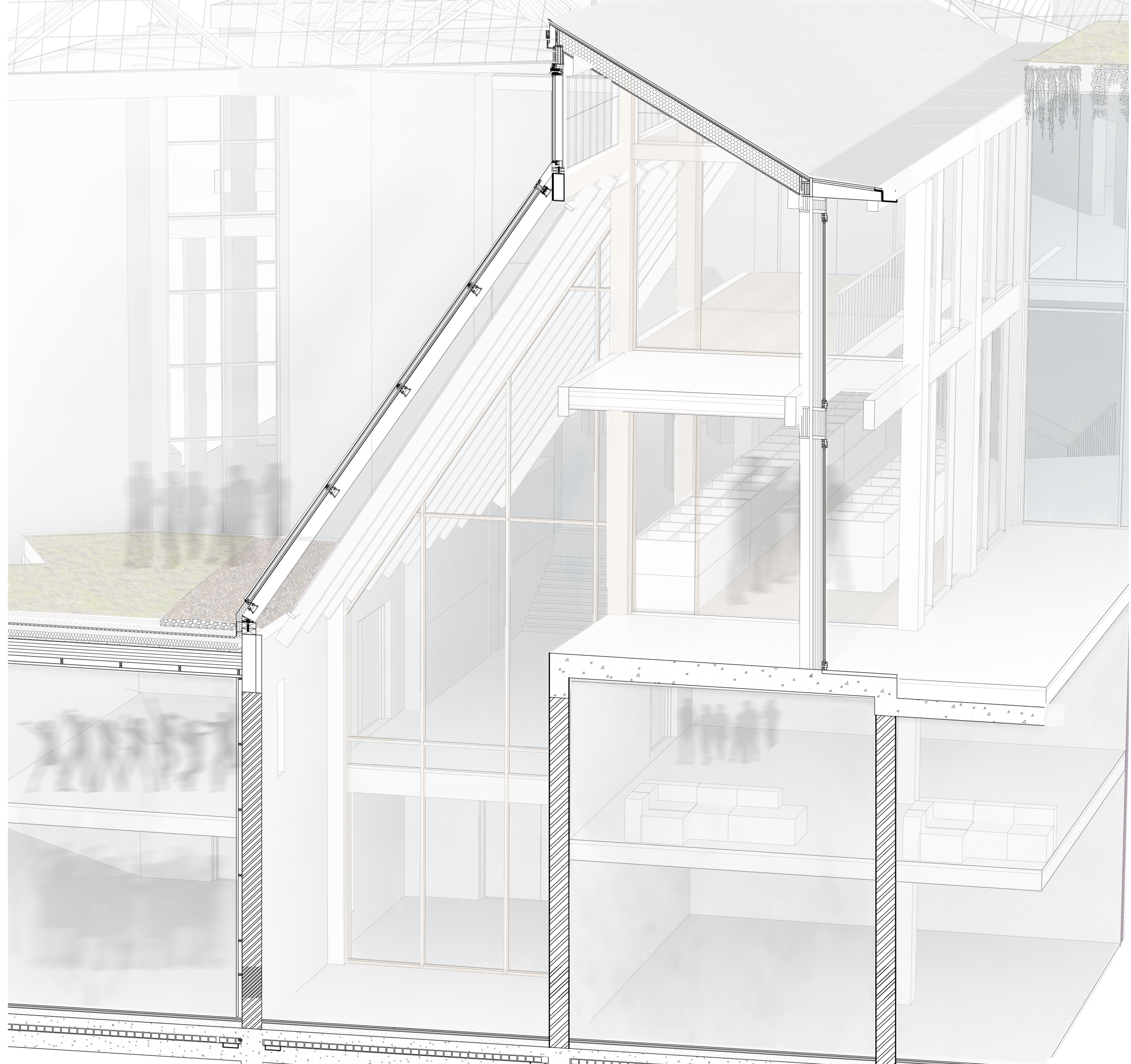
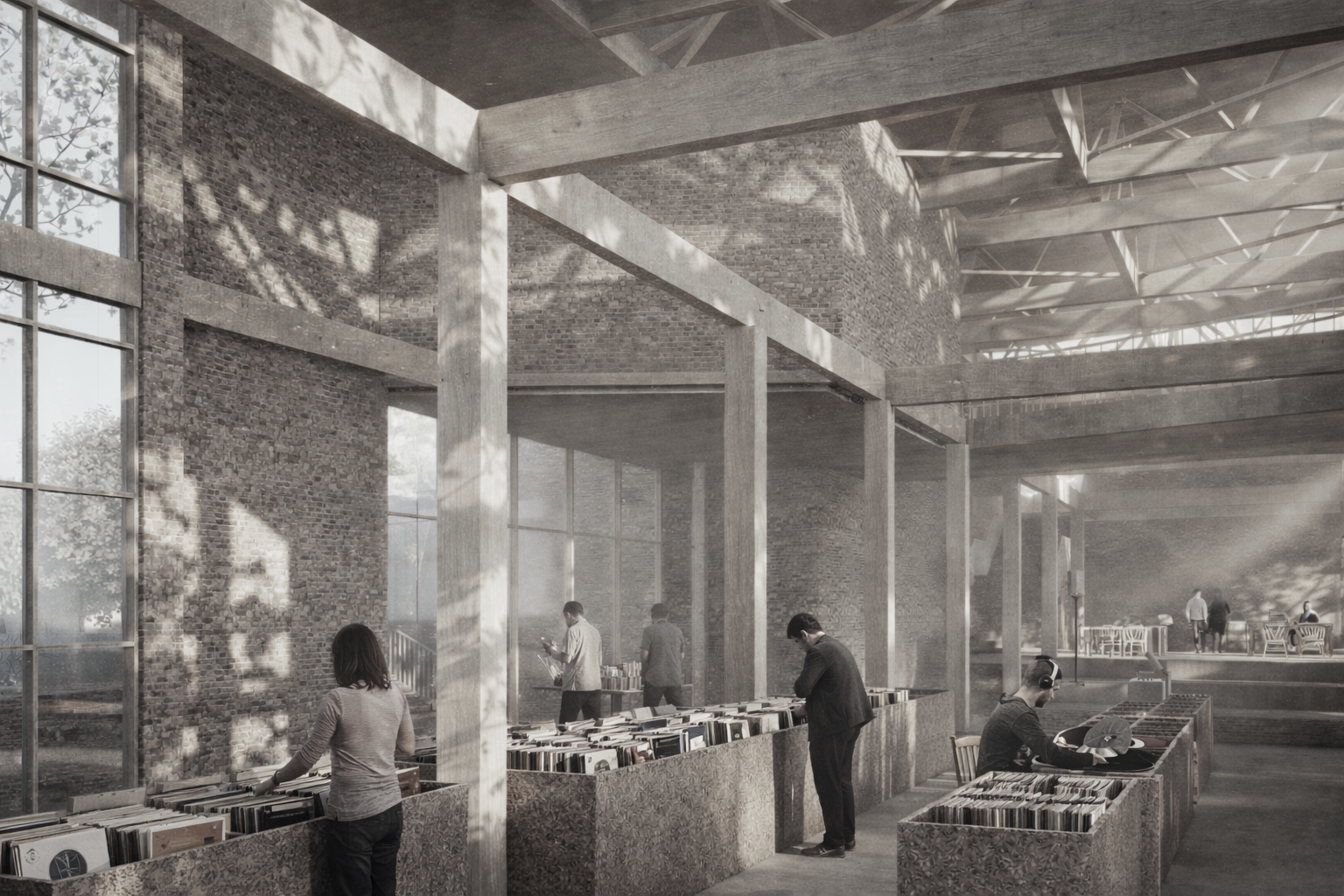
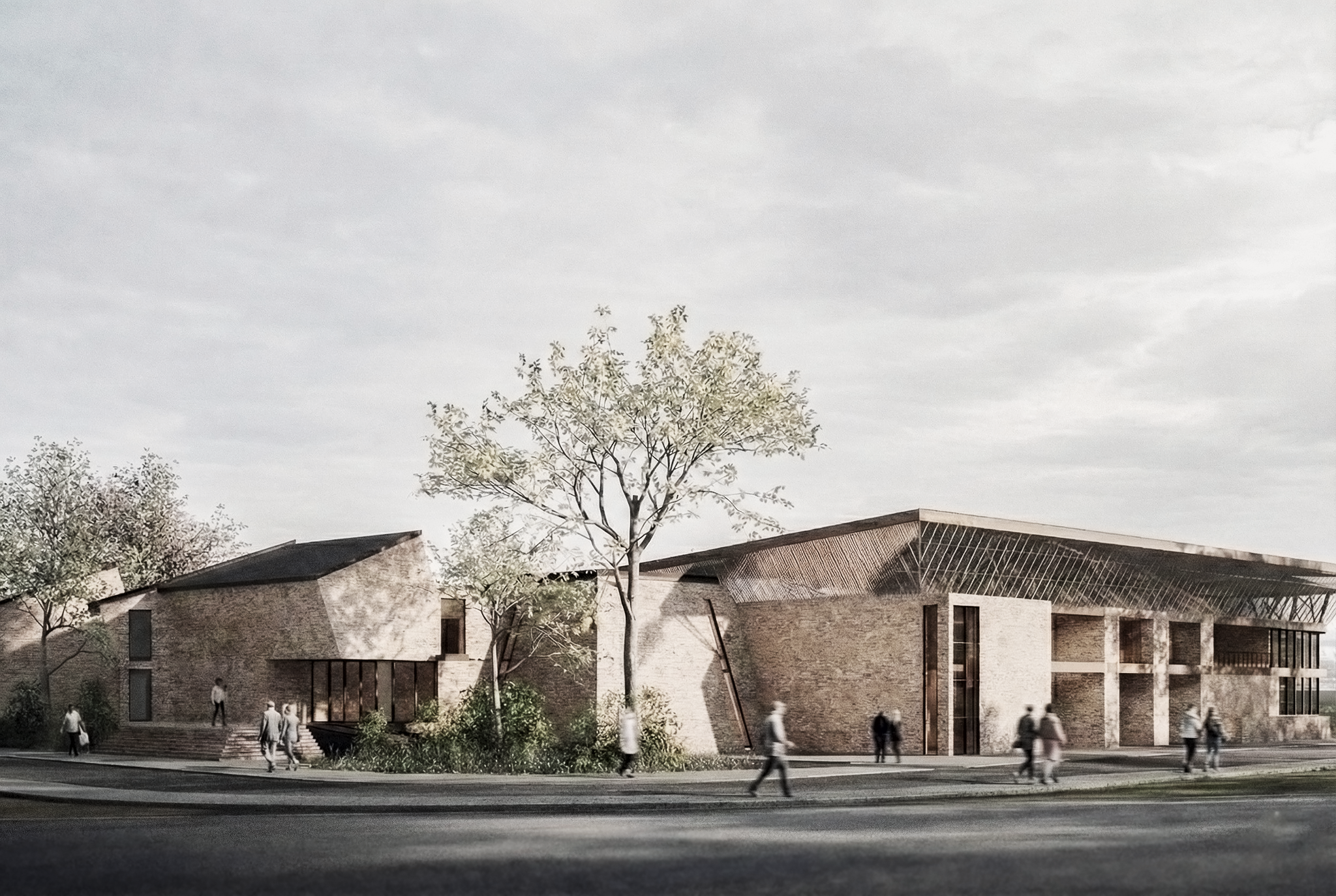
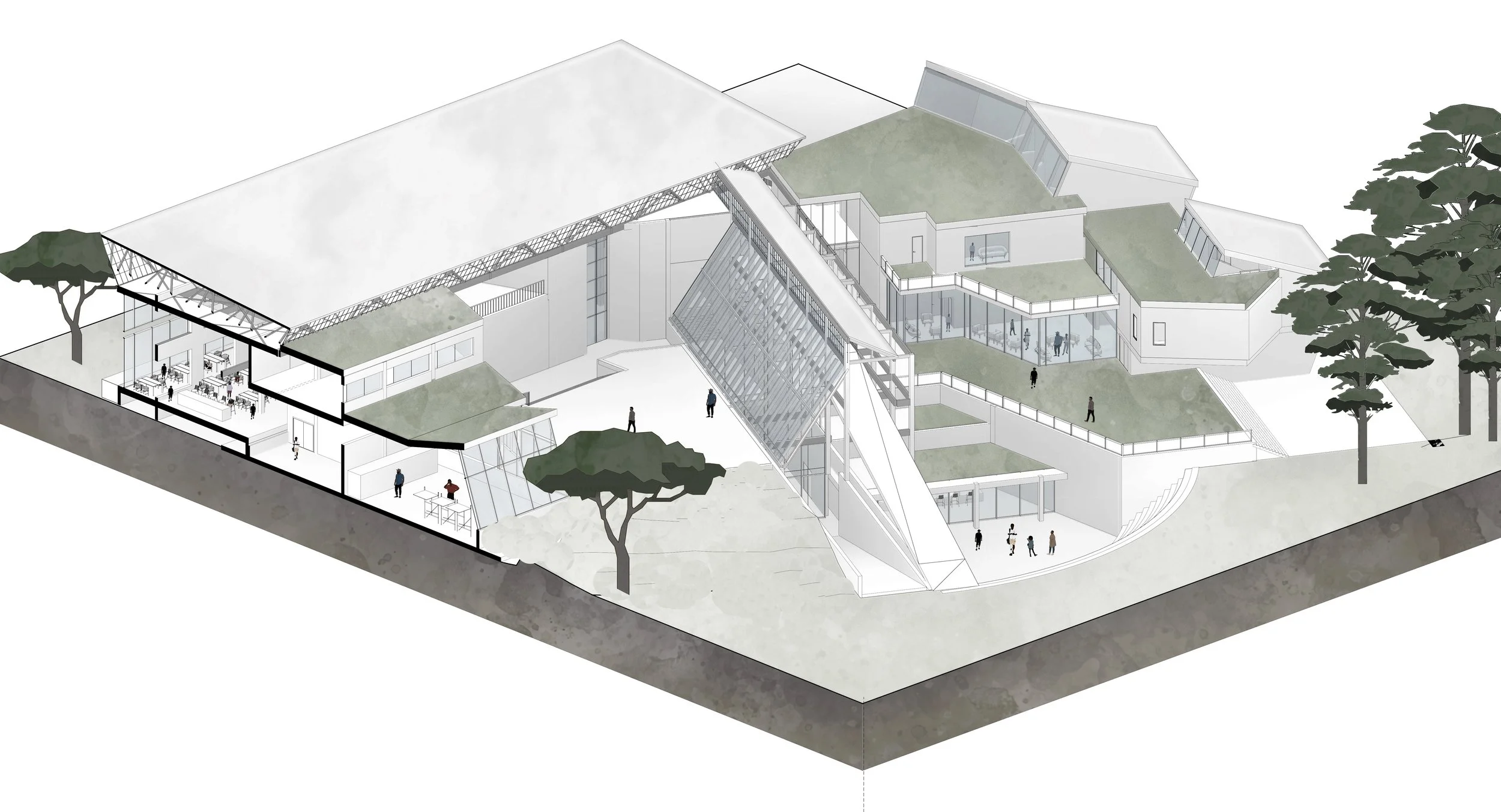
The architecture organizes preservation, community facilities, and performance venues into a layered acoustic landscape. A high-performance Cross-Laminated Timber structure functions as both low-carbon framework and tuned instrument, balancing environmental responsibility with the acoustic mass required for professional recording. Interconnected chambers manage transitions from silent archival spaces to reverberant performance environments within a compact building footprint.
The archive operates as active infrastructure: safeguarding intergenerational memory while enabling new cultural flows to emerge. Preservation meets social production - an architecture responsive to both cultural continuity and environmental obligation..
Design Logic
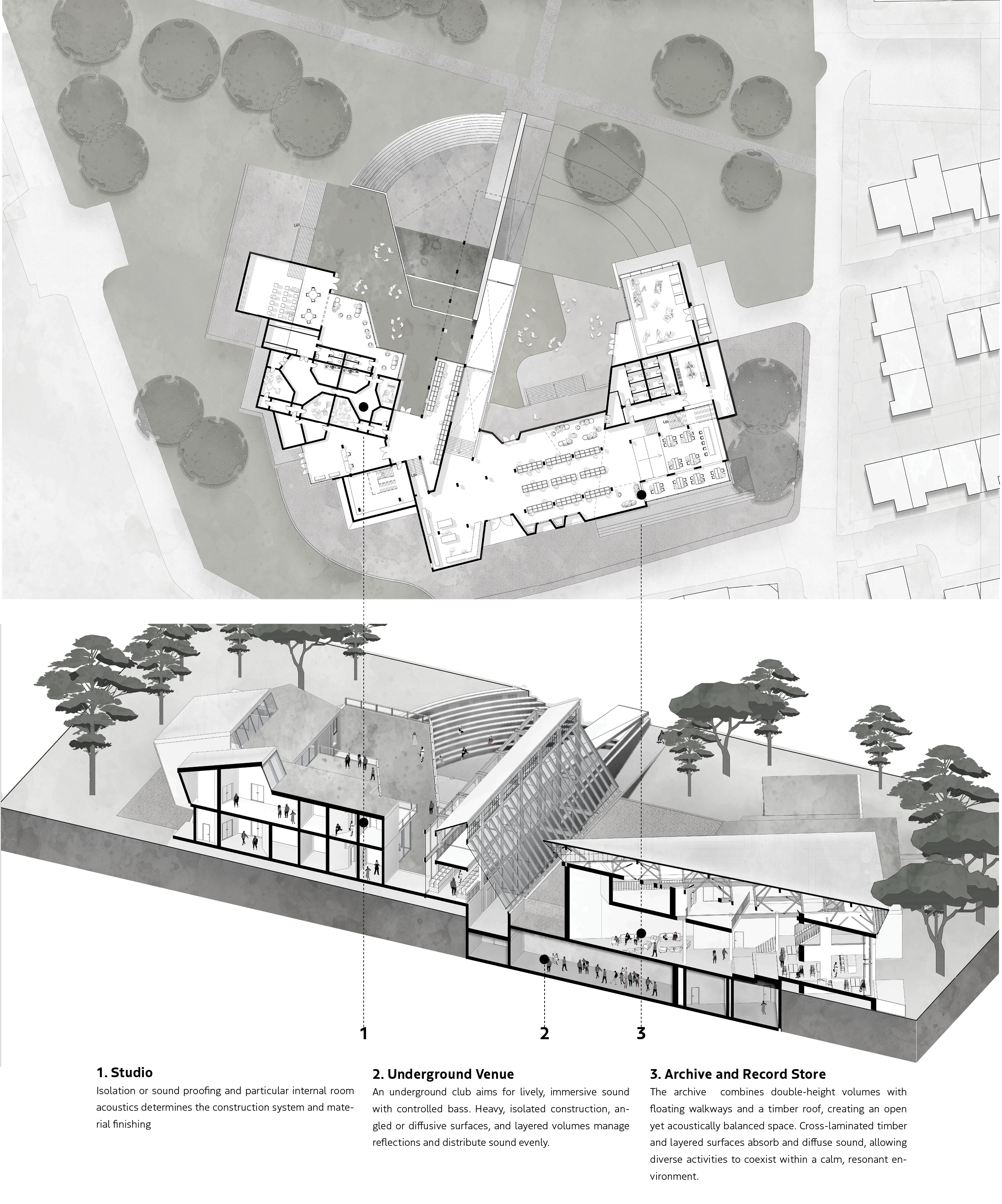
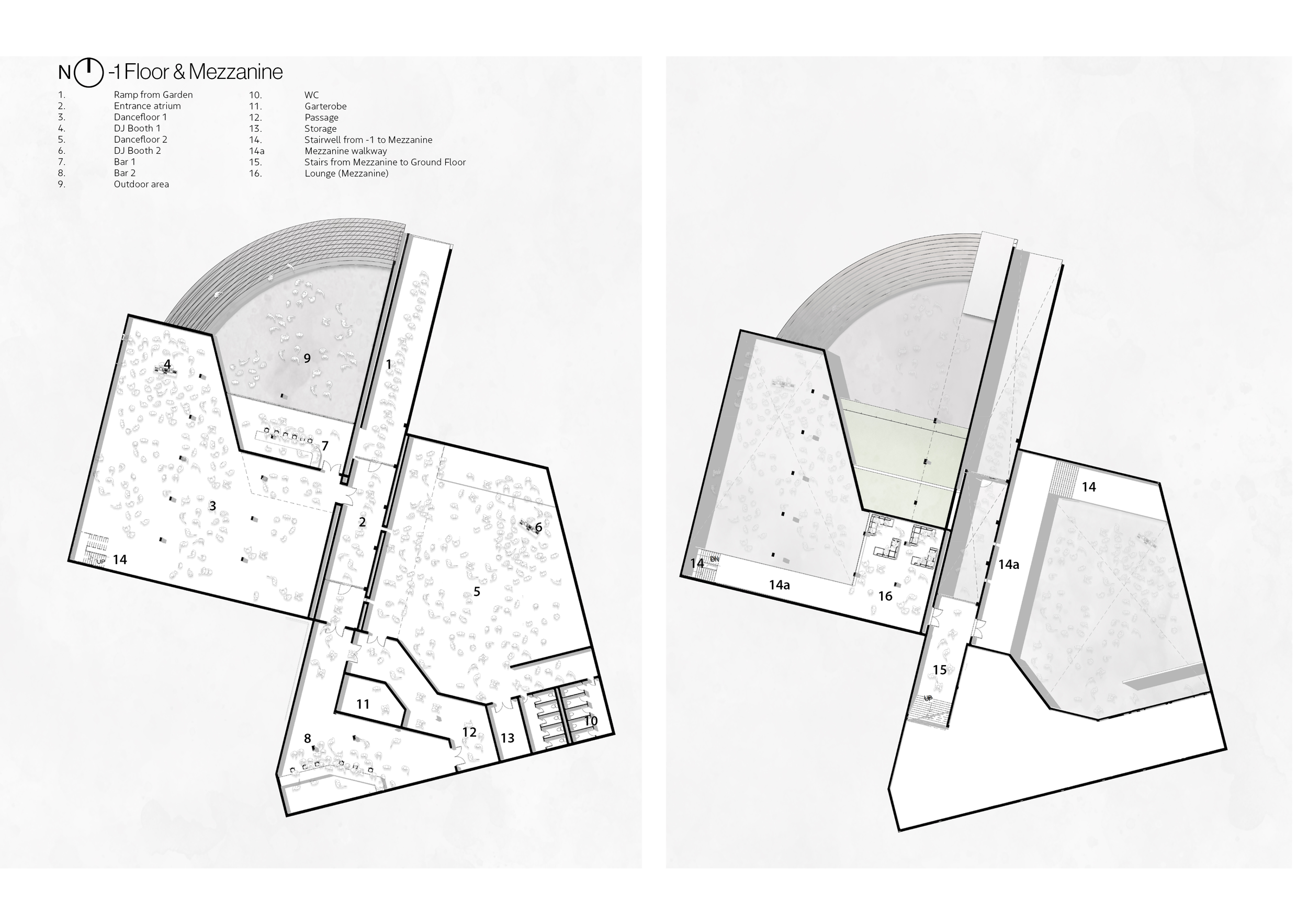
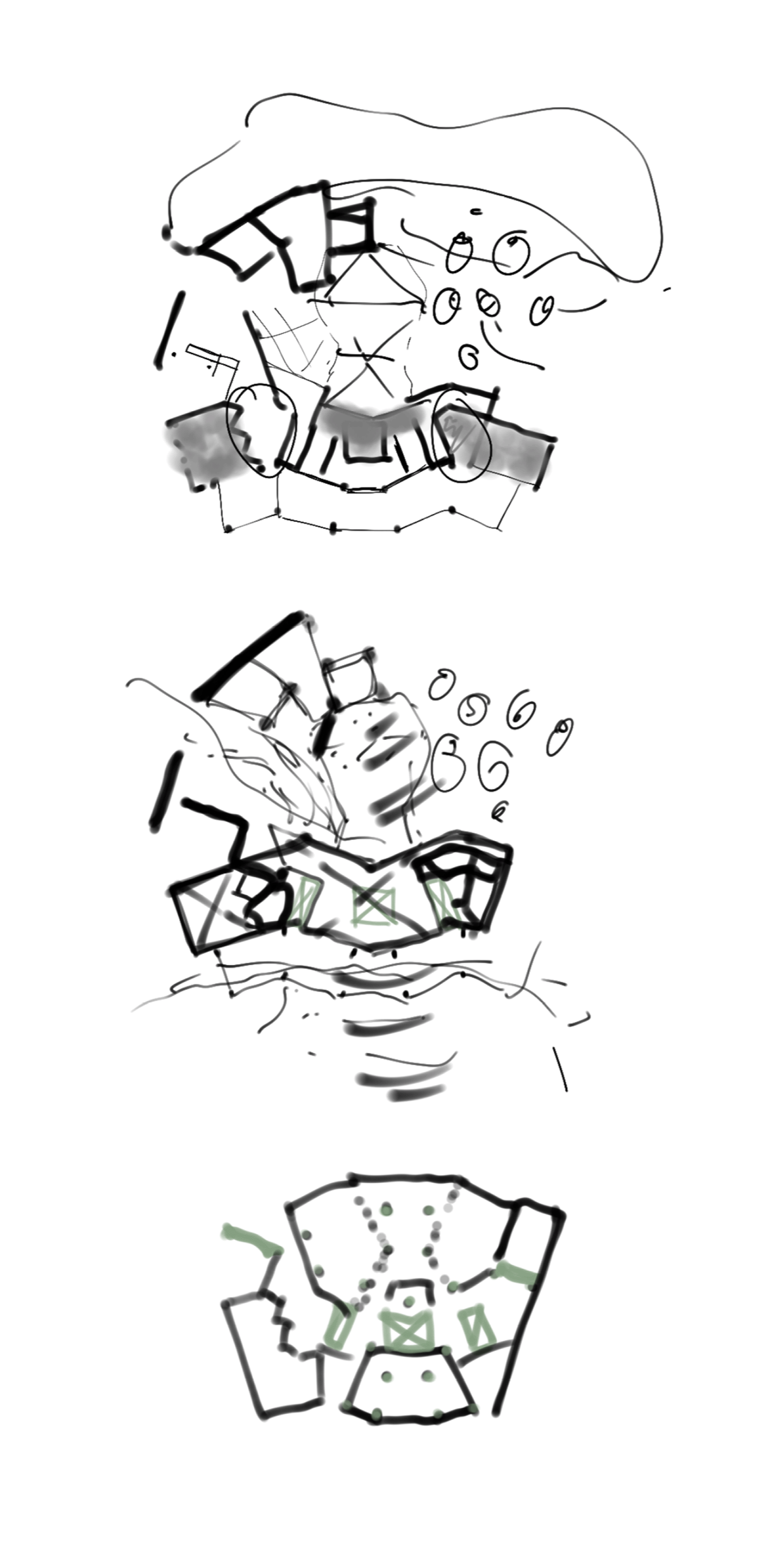
Each volume is tuned to a specific acoustic role, from dense recording chambers to lighter spaces for listening, gathering, and exhibition. The layout alternates compression and release, silence and vibration, echoing dub’s rhythm.
The building’s logic and tectonics follow acoustic performance: room proportions, wall assemblies, surfaces, and spatial relationships are shaped directly by sound requirements.
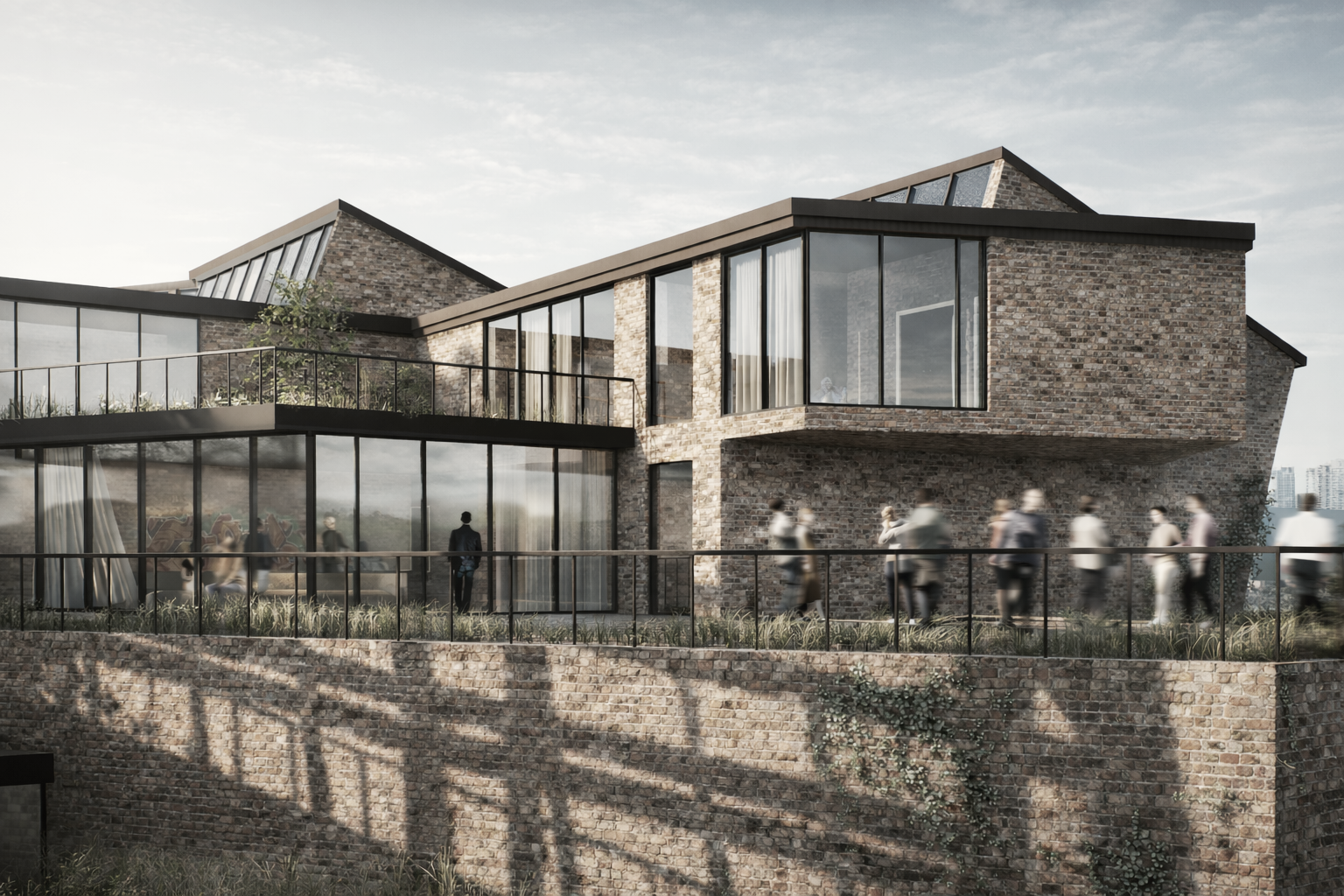
Technical Strategy : Cross-Laminated Timber
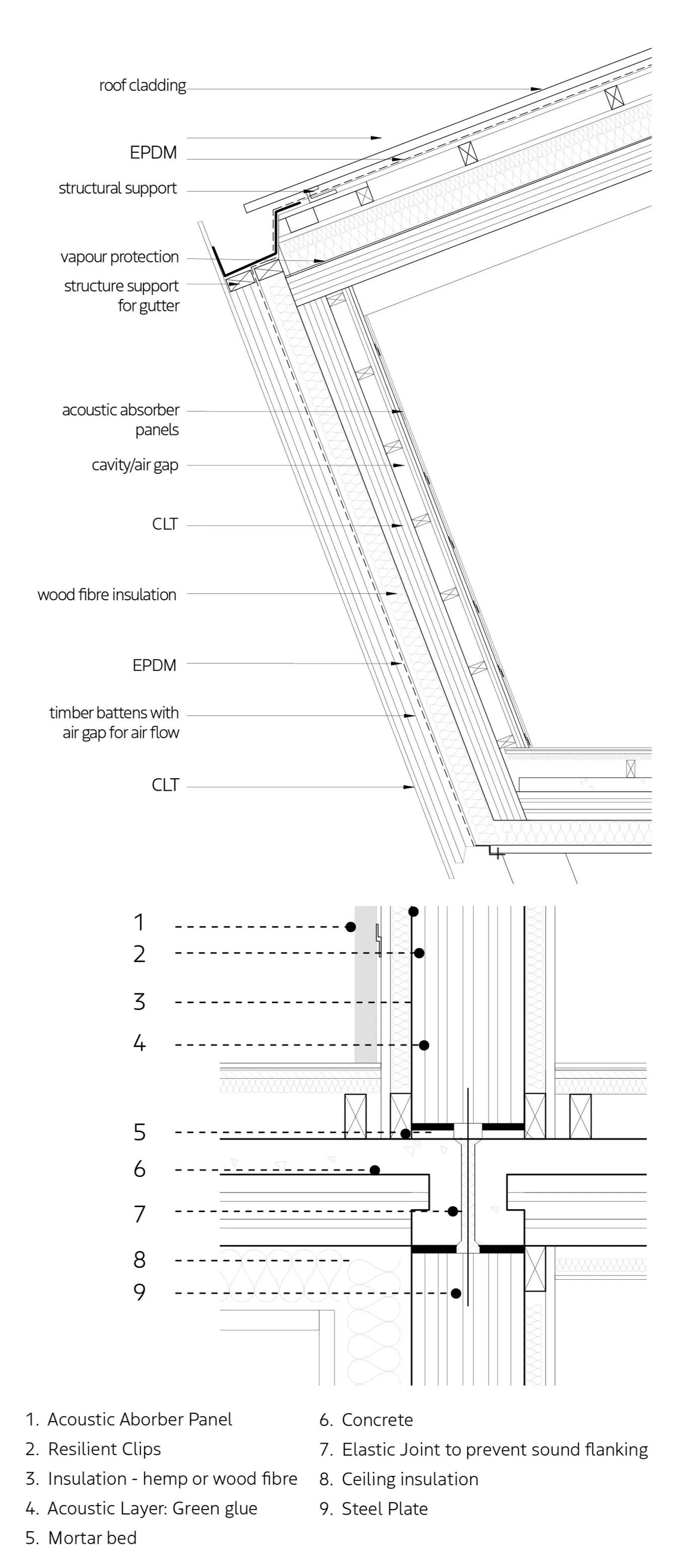
Prefabricated Timber System: Cross-Laminated Timber has inherent acoustic mass and reduction in embodied carbon.
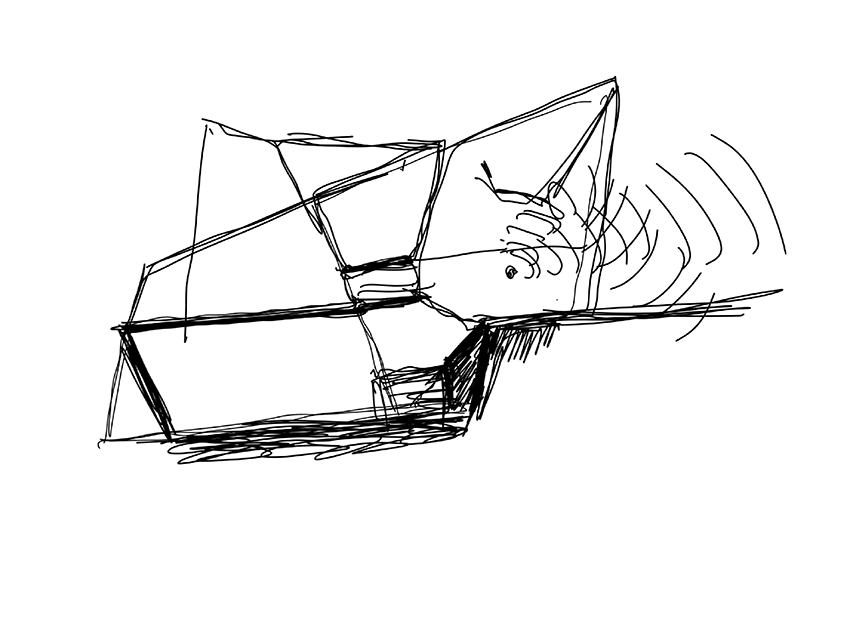
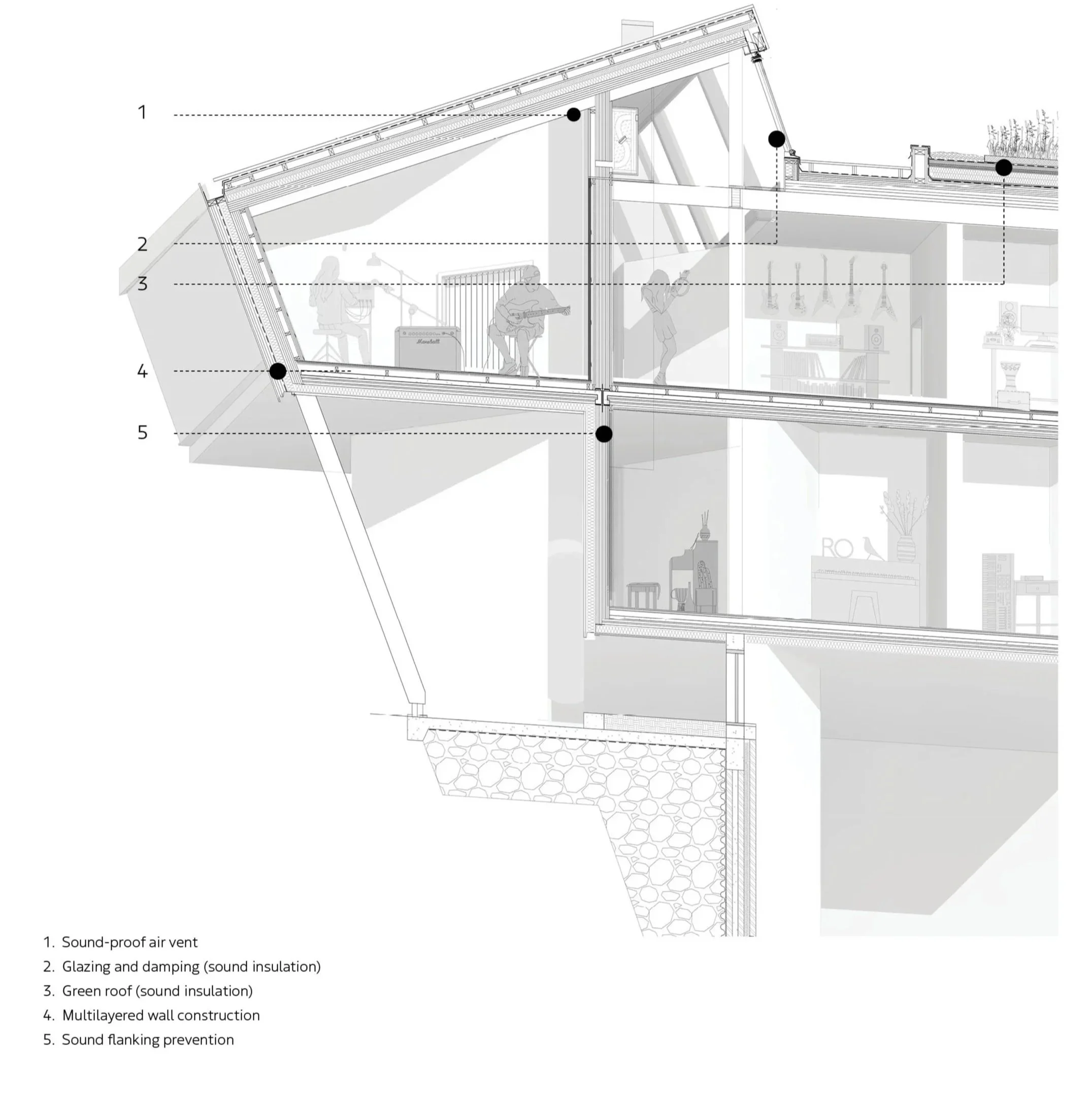
Geometric Performance: Angled CLT assemblies and air cavities specifically derived to manage sound scattering and resonance control.
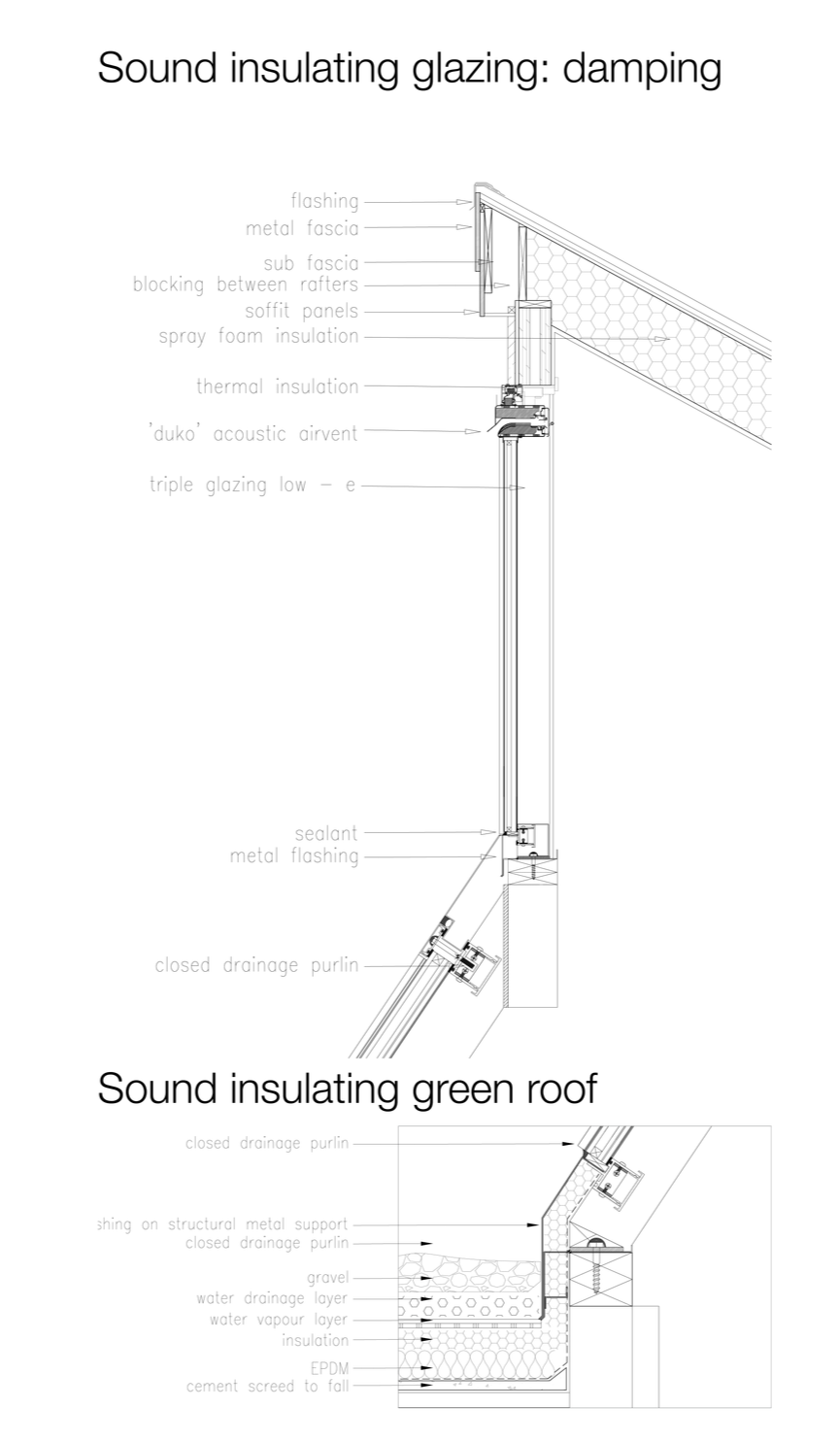
Component-Based Envelope: Features thickened secondary linings that create thermal and acoustic depth within a compact, efficient footprint.
Junction Resolution: Wood fiber insulation and resilient clips to eliminate sound flanking and ensure structural decoupling between studios.
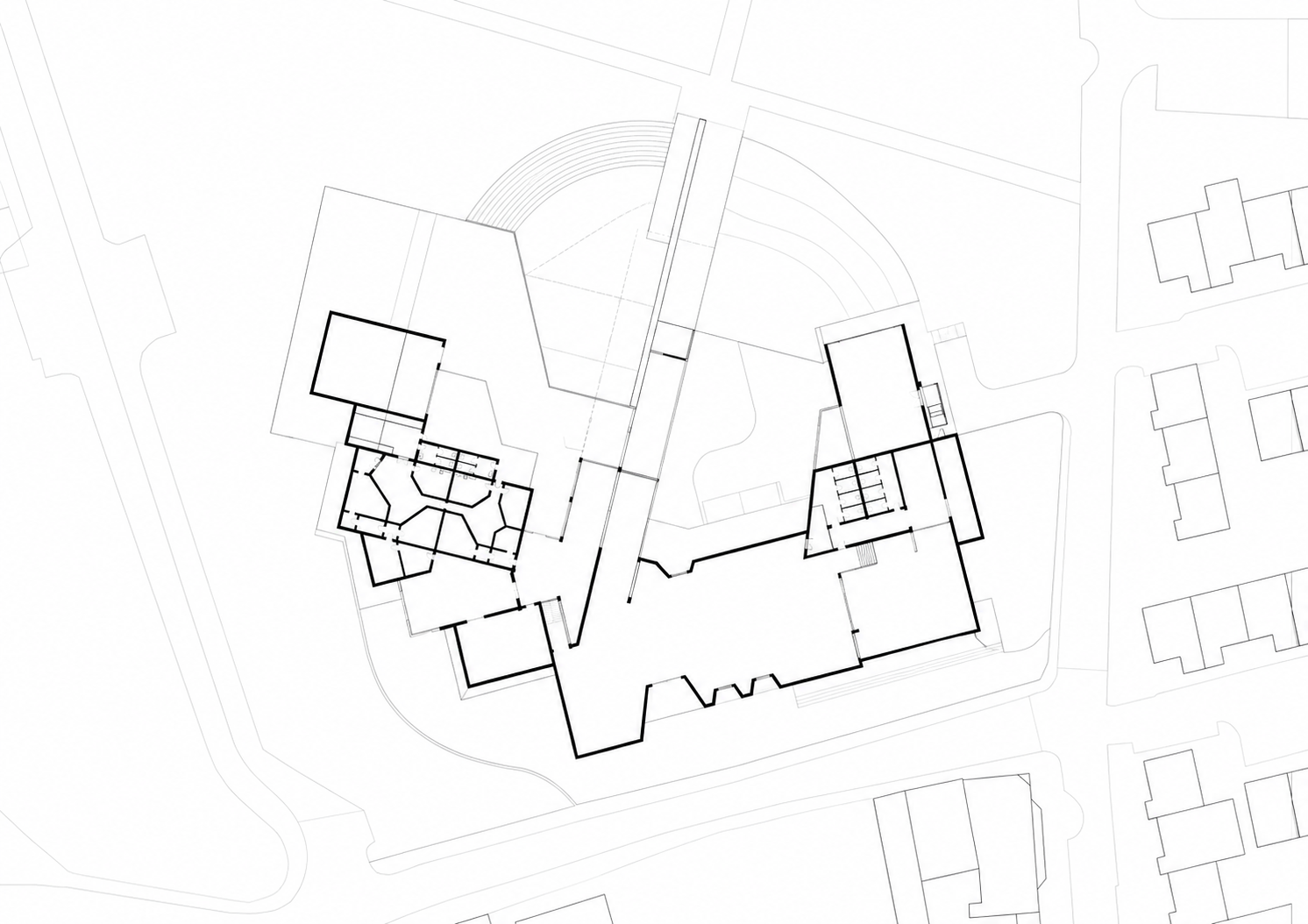
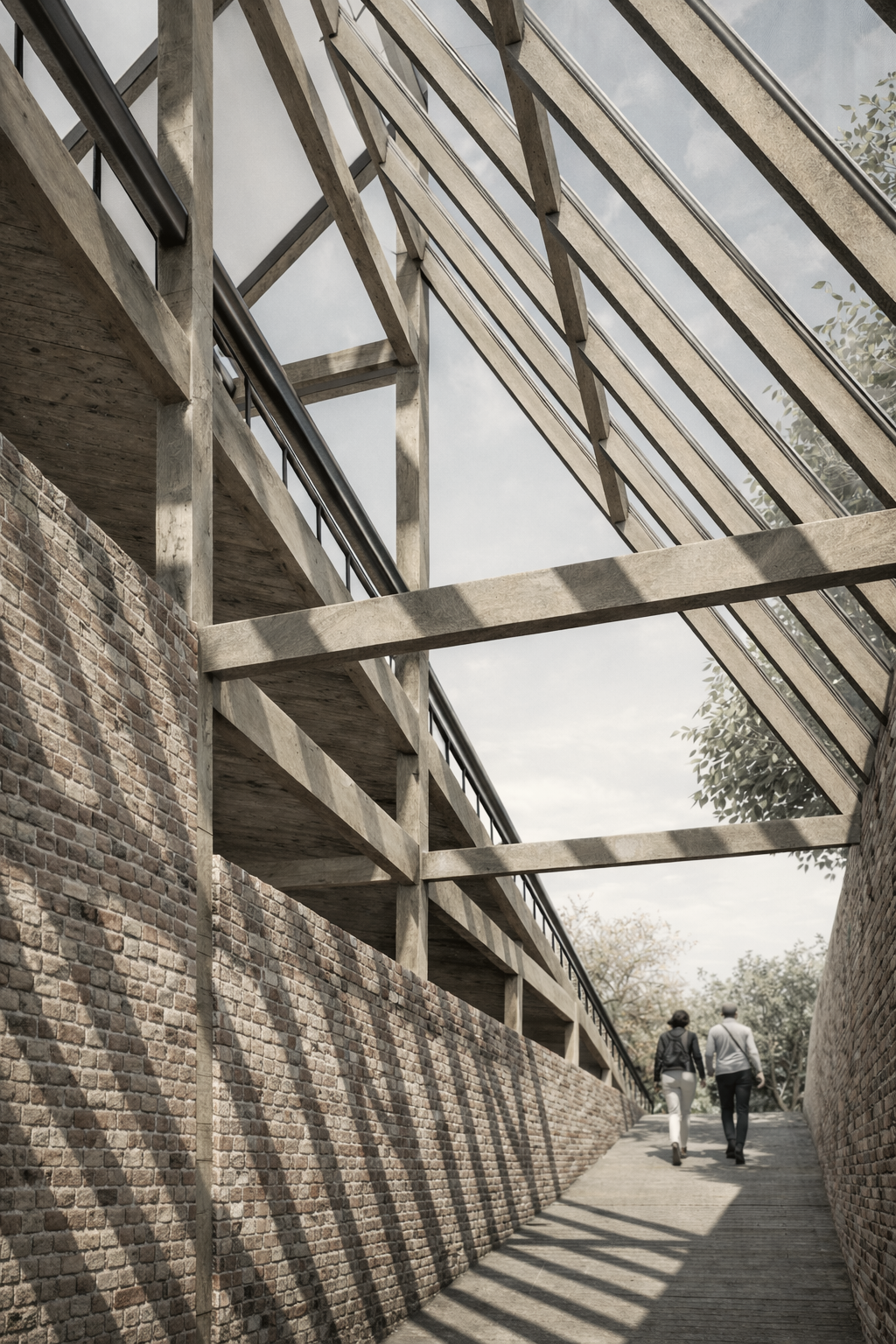
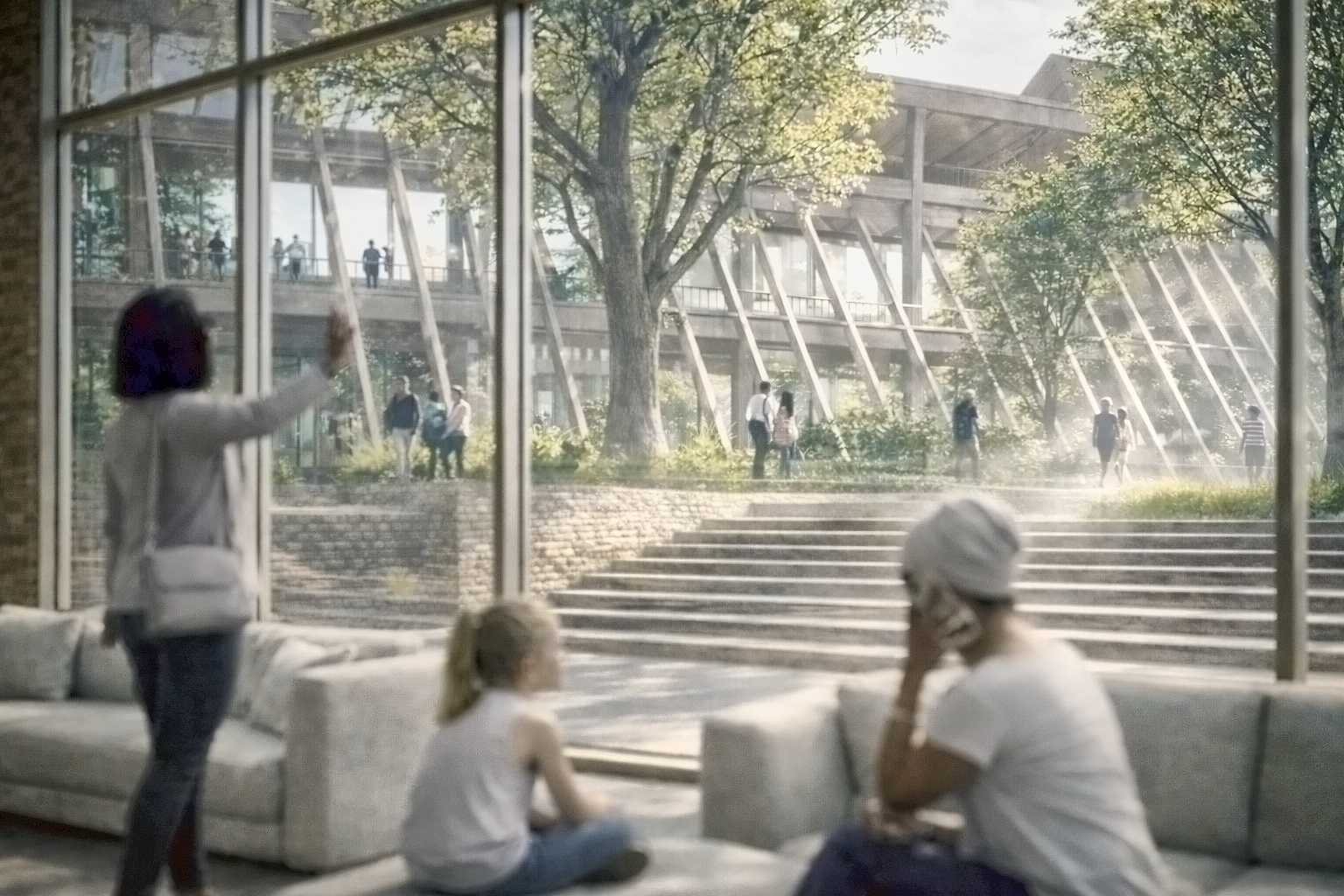
Spinal passage - glazed
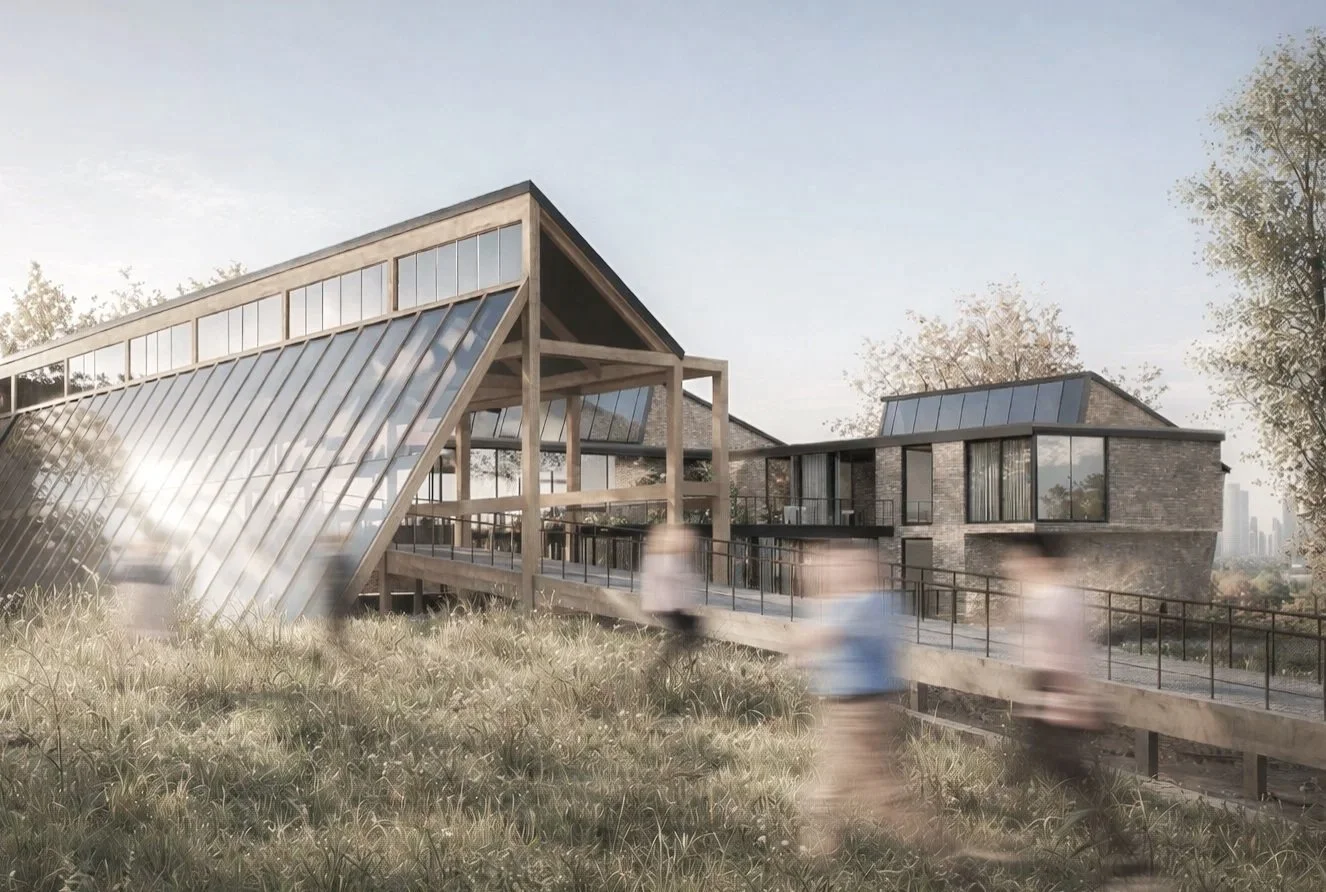
Spinal passage - glazed